EN
EN
 AR
AR
 HR
HR
 CS
CS
 DA
DA
 NL
NL
 FI
FI
 FR
FR
 DE
DE
 EL
EL
 HI
HI
 IT
IT
 KO
KO
 NO
NO
 PL
PL
 PT
PT
 RO
RO
 RU
RU
 ES
ES
 SV
SV
 TL
TL
 IW
IW
 ID
ID
 LV
LV
 LT
LT
 SR
SR
 SK
SK
 SL
SL
 VI
VI
 SQ
SQ
 ET
ET
 HU
HU
 TH
TH
 TR
TR
 MS
MS
 IS
IS
 LA
LA
 KK
KK
 UZ
UZ
 KY
KY
באילו מקומות משמש חומר סגסוגת האבץ?
היכן משמשת סגסוגת האבץ? האדריכלות ההנדסית של צירים נסתרים לדלתות
בעולם היצרנות המודרנית והאדריכלות של מוצרים, ייצור מוצר בעל ביצועים גבוהים דורש איזון עדין בין צורה, זורםיות טובה בהטפה, עמידות מכנית ועלות. סגסוגת האבץ מבליטה עצמה כחומר רב־תכליתי במיוחד שמקיים דרישות מרובות אלו בתחומים רבים.
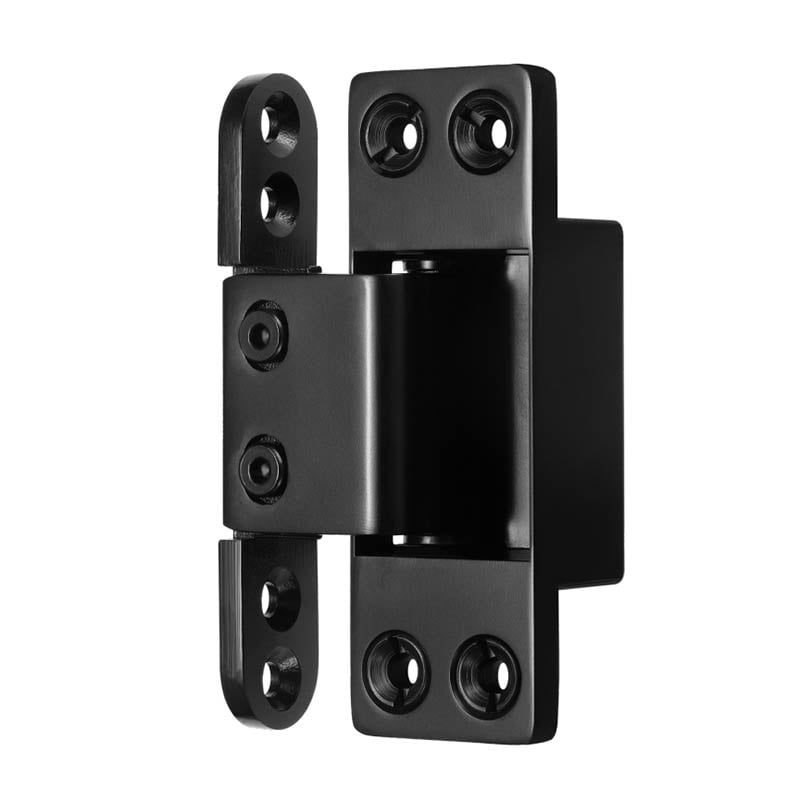
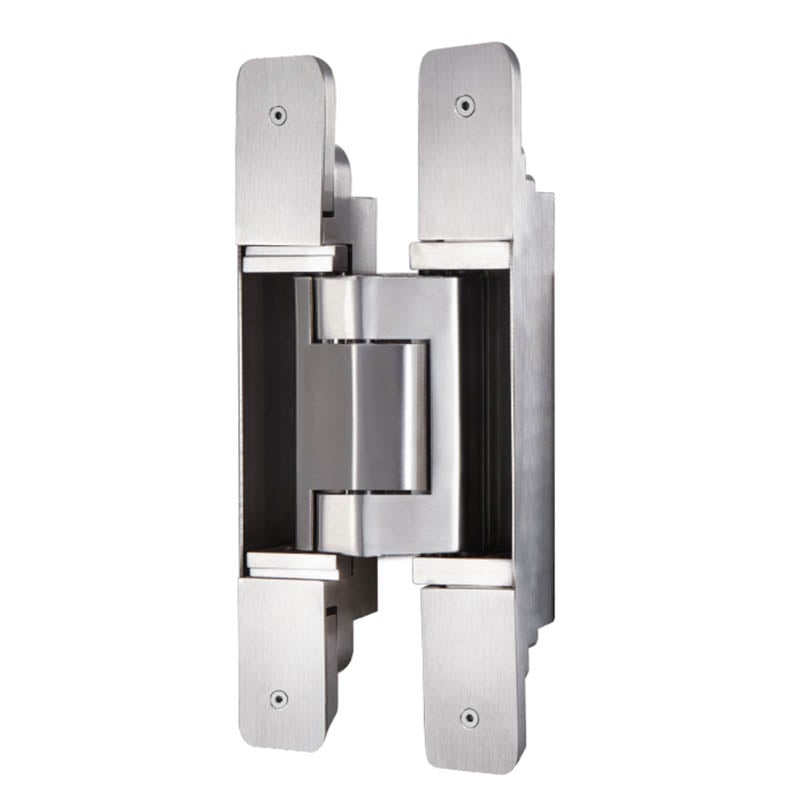
מהמסגרות המרכזיות המוצלחות של טלפונים חכמים לצרכנים ועד לציוד אדריכלי כבד, נבחרות סגסוגות אבץ כאשר עיצוב הרכיבים דורש גאומטריות מורכבות, סיבובים צרים מאוד ומשטחים טקטיים באיכות גבוהה. להלן אנו בוחנים את יישומי הסגסוגת באינדוסטריה הרבים ואת השימוש המיוחד ביותר שלה, שבו היא שולטת ללא עוררין: צירים נסתרים לדלתות עם התאמות תלת־ממד .
1. היקף עולמי: באילו תחומים משמשת סגסוגת האבץ?
gratitude לנקודת ההיתוך הנמוכה שלה (380–490°צ), הזרימה המمتازה והמאפיינים המבניים המרשימים שלה, סגסוגת האבץ מהווה את הליבה של מגוון עצום של מוצרים צרכניים ותעשייתיים, אשר מוסווגים בשבעה תחומים מרכזיים:
-
אלקטרוניקה צרכנית ומכשירים דיגיטליים: סגסוגת האבץ משמשת כבסיס המבני של טלפונים ניידים (מסגרות אמצעיות ומפתחות מכניות מבניות), מעטפות אוזניות, חיבורי כבלים נתונים, צירים להצגת מחשבים ניידים, מעטפות רוטרים ורכיבים תת-מצלמה מורכבים.
-
מכשירי חשמל חכמים לבית: היא משמשת באופן נרחב לייצור מעטפות של שלטים רחוקים, מקשים בקרתיים, פקקי בקרה למכונות כביסה ולמזגנים, ידיות למקררים, צירים למכשירי חשמל, מעטפות מייבשי שיער ורכיבי מתג למבשלות אורז חשמליות.
-
מערכות רכב: בכלי רכב מודרניים, יסוד האבץ משמש למתלים מכניים לדלתות, לרכיבי פנים של לוח הבקרה, למאווררים של מיזוג האוויר, למכונות התאמה למושבים, למסגרות של לוחיות רישוי ולתומכות זרועות המטאטאים (בעיקר לרכיבים פנימיים וחיצוניים שזוכים להימנע מאזורים עם חום גבוה).
-
חומרה, דקורציה ואביזרים לאופנה: זו הבחירה המובילה לגלילים כבדי משימה של נעליות דלתות, ידיות, גלגלות מגירות, ציוד בידוד פרימיום לחדרי רחצה (מיכלים לברזים ומסגרות למקלחות), מקשיות חגורה יוקרתיות, מדחסי רוכסנים, ידיעות מדומה ולולאות מפתחות.
-
מדידות תעשייתיות מדויקות: קופסאות מדדים ומכשירים תעשייתיים, מחוונים, גופי שסתומים קטנים הידראוליים או פנאומטיים, גלגלי שיניים מדויקים, קמים, תוספות לצורות יציקה ורכיבים מיקרוסקופיים מיוחדים למכונות טקסטיל משתמשים בסגסוגת אבץ.
-
דמויות צעצועים ופריטי אספנות: בשל הדיוק הגבוה בהזרקה והמשקל שלו, הוא בשימוש נרחב במכוניות צעצועים מחלקי סגסוגת המוזרקות, ברכיבי דגמים להרכבה, במפרקים של דמויות פעולה מחוברות ובדגמי נשק צעצוע אסטרטגיים.
-
מוצרי צריכה יומיומיים: כיסויי עטים קולמוס, גוף סופרים, מעטפות לגלגלי דייג וקליפים מבניים לחיבור חלונות/דלתות מסתמכים על החומר הזה.
2. ניתוח מעמיק: למה להשתמש בסגסוגת אבץ במפרקי דלתות חבויים?
מפרקי דלתות חבויים (מסתתרים) הם הגיבורים הבלתי מוזכרים באדריכלות פנים מתקדמת. בניגוד למפרקים רגילים מסוג דגל או מפרק שפתיים, מפרק חבוי עם התאמה תלת־ממדית מושתל באופן מלא בתוך לוח הדלת והקורה, ונשאר לחלוטין בלתי נראה כאשר הדלת סגורה. בכך הוא מספק מראה חלק ומזדקר, המאופיין במינימליזם.
עם זאת, הסתרת המנגנון יוצרת אתגרים הנדסיים משמעותיים. מנגנון המנגנון חייב להיות קומפקטי ביותר, לתמוך במשקל גדול מאוד של דלתות נקודתיות (לעיתים קרובות בטווח של 40 ק"ג ועד ליותר מ-120 ק"ג), ולכלול בוכנות מתוחכמות להזזה תלת-ממדית (התאמת גובה, רוחב ועומק).
סגסוגת האבץ היא הפתרון החומרי המהותי לרכיבים מבניים אלו מסיבות הנדסיות עיקריות אחדות:
א. דיוק קיצוני למסלולים פנימיים מתכווננים תלת-ממדית
מגבים חבויים מתכווננים תלת-ממדית כוללים מסלולים פנימיים מורכבים ביותר, מפרקים חוצים וערוצים חרוטים שנועדו לאפשר למתקינים להתאים את מיקום הדלת במילימטרים. לסגסוגת האבץ יש זרימה יוצאת דופן בתהליך הזרקה ונקודת התכה נמוכה ( $380\text{--}490^\circ\text{C}$ זה מאפשר למפתחים ליצוק חלקים מבניים דקים, מורכבים מאוד וצפופים עם דיוק ייחודי ישירות מהמזרק. היצוקים המתקבלים עומדים בקריטריוני ממדים קפדניים, ודורשים עיבוד מכני מינימלי לאחר היציקה כדי להתאים אותם זה לזה ללא פגמים.
ב'. התאמה יוצאת דופן לעומסים מכניים מרובי כיוונים
צירים חבויים סובלים מתorque דינמי רציף, מלחצי גזירה ומעומסים סטטיים אנכיים כבדים. דרגות שונות של סגסוגות אבץ מאפשרות לייצרנים להתאים חוזקות משיכה ותנודה ספציפיות. בטמפרטורת החדר, סגסוגת אבץ מספקת חוזק משיכה מעולה, קשיחות בינונית ועמידות אלסטית. היא בולעת השפעות קינטיות פתאומיות ומנהלת משקל סטטי של חבל נייד ללא עקימה או עיוות, ובנוסף מספקת עמידות מכרעת לשחיקה עבור רכיבים נעים.
ג'. דämpינג של רעידות מיקרוסקופיות ובליעה אקוסטית מבנית
כאשר דלתות אדריכליות כבדות נסגרות בחבטה או פועלות באופן רציף, ויברציות אקוסטיות עוברות דרך המסגרת. יסוד האבץ-אשלגן מתאפיין מטבעו ביכולת דämpינג מעולה ובתכונות ספיגת הלם. זה עוזר להשתיק ויברציות מיקרוסקופיות בתוך זרועות המנגנון, מה שמאפשר פעילות חלקה, שקטה ורציפה לאורך מאות אלפי מחזורי פעילות.
ד. איכות מגע "מוצקה" פרימיום והצפיפות שלה
ציוד אדריכלי ברמה גבוהה דורש תחושת מגע פרימיום ומורכבת. עם צפיפות מבנית מתונה בתחום של $6.3\text{--}6.9\text{ ג\/סמ}^3$ , רכיבי אבץ-אשלגן מרגישים כבדים, מוצקים ופרימיום. האינטגריות המבנית הצפופה הזו מבטיחה שהמנגנון הנסתר ירגיש חזק ויעשה את תפקידו באופן אמין בעת פעולת יד.
ה. סיום משטח אליטי לנגד קורוזיה מוחלט
מכיוון שחריצי סתר נתונים לחיכוך ולרמות לחות משתנות בתוך הקירות, הגנה על השטח היא חיונית. יסוד הכסף-אינדום תואם מאוד לגלוון (כרום, ניקל מט, אבץ), לקידוח באבקה, לאוקסידציה, למשיכה של חוט ולקידוח מראה. טכניקות הסיום הללו אינן רק מגבירות את האלגנטיות החזותית של הציוד – הן משפרות באופן דרמטי את התנגדות המבנה לקלקול, ומבטיחות שזרועות החריצה הפנימיות ישארו ללא חלודה ותפקודיות לאורך עשורים של שירות.
סיכום טכני – פרופיל החומר
-
טווח נקודת ההמסה: 380° צלזיוס עד 480° צלזיוס (מאפשר יציקה במתכת מדויקת במיוחד)
-
צפיפות החומר: 6.3 עד 6.9 גרם/סמ"ק (מעניק תחושת מסה פרמיום ועמידות גבוהה)
-
יכולות עיבוד מכני: הסתובבות, קיזוז, גלגול, שיפוץ וקידוח רציף פשוט בטמפרטורת החדר.
-
אפשרויות סיום: גלוון, קידוח באבקה, אנודיזציה כימית, משיכה של חוט, קידוח.
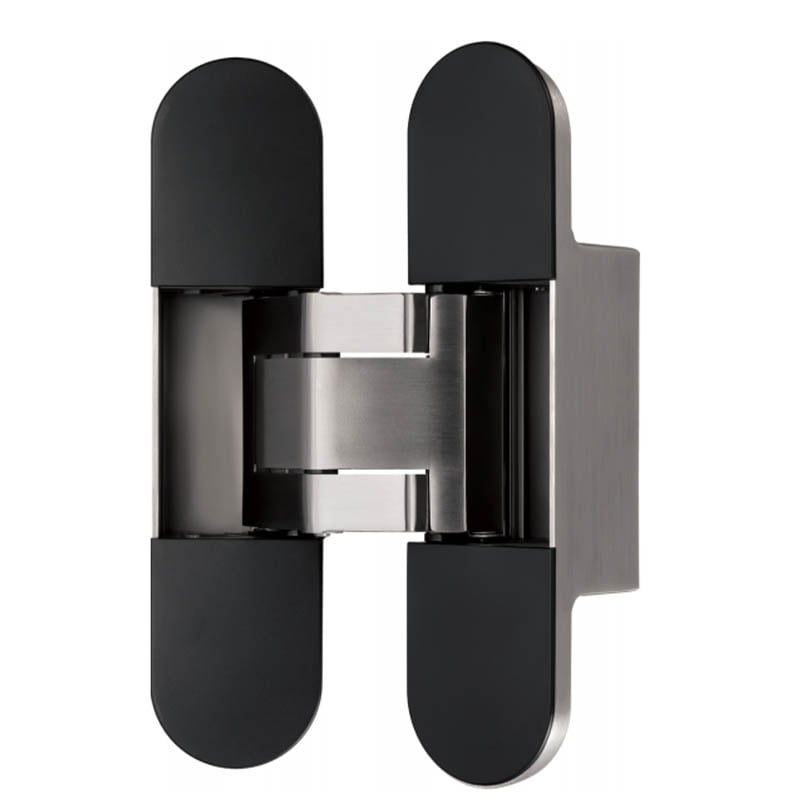
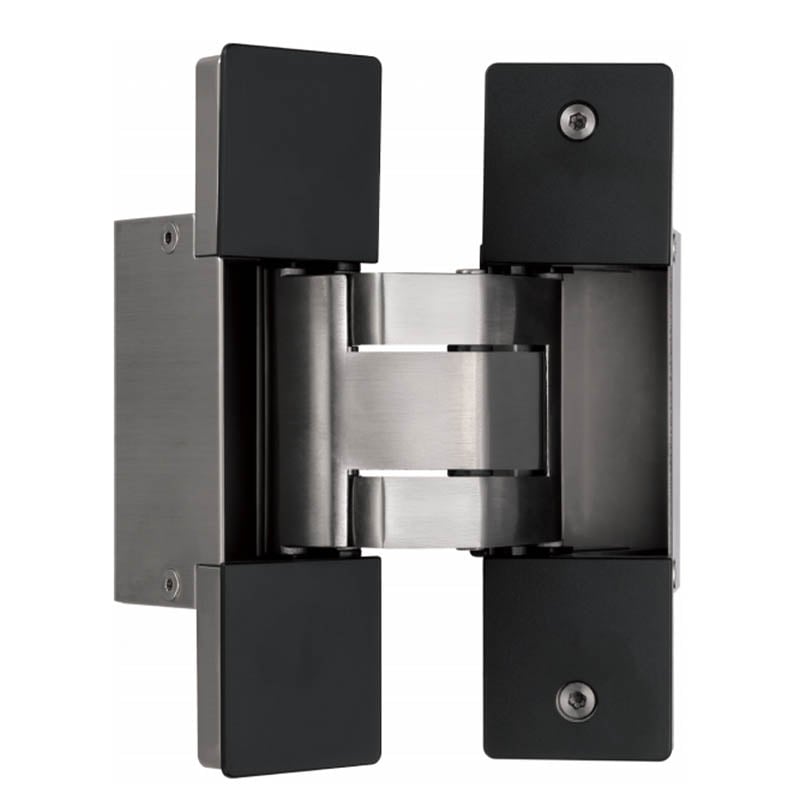
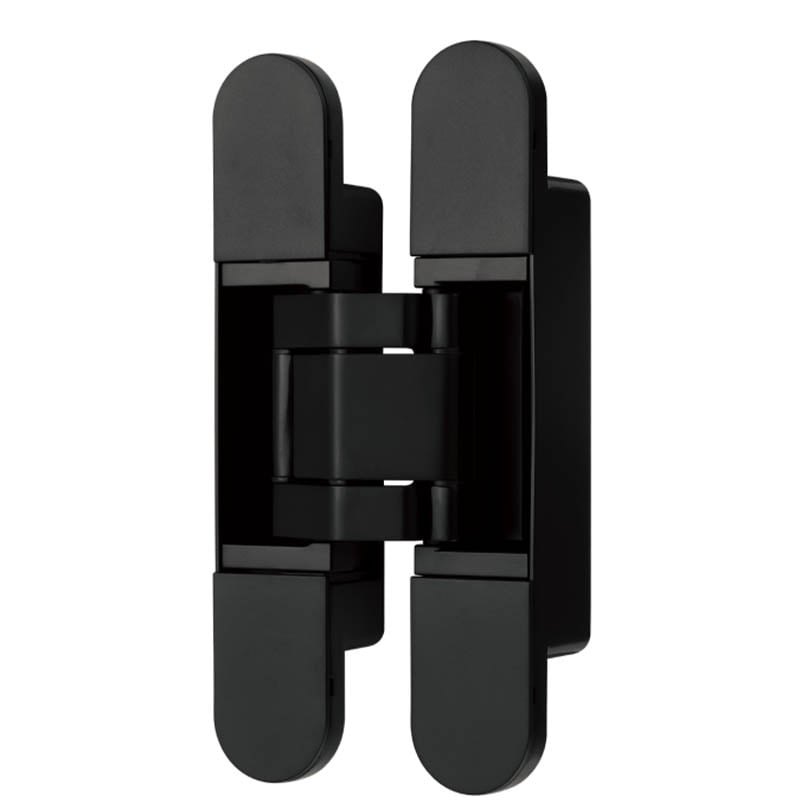
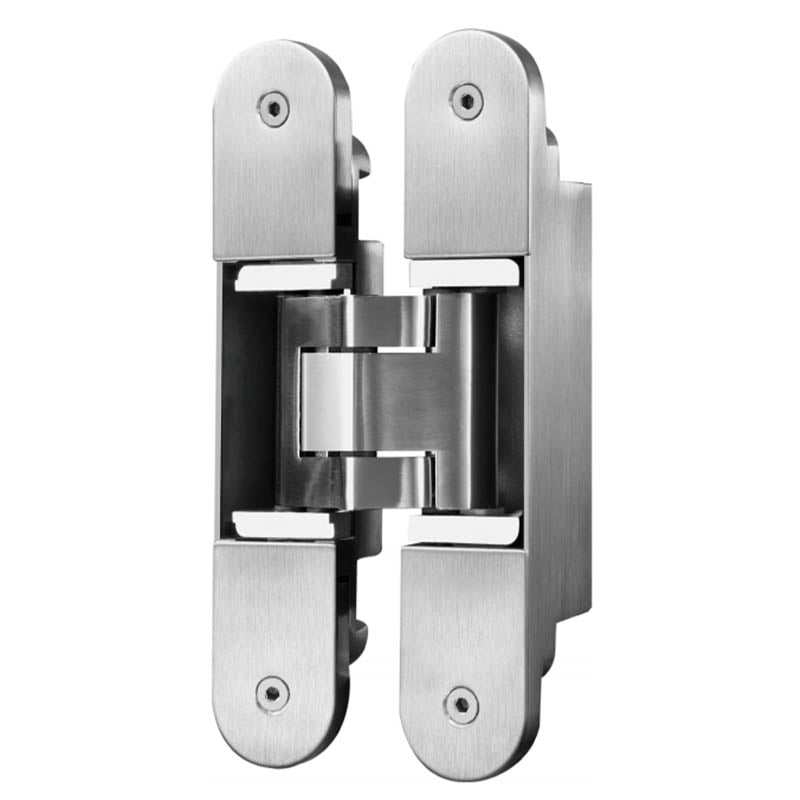
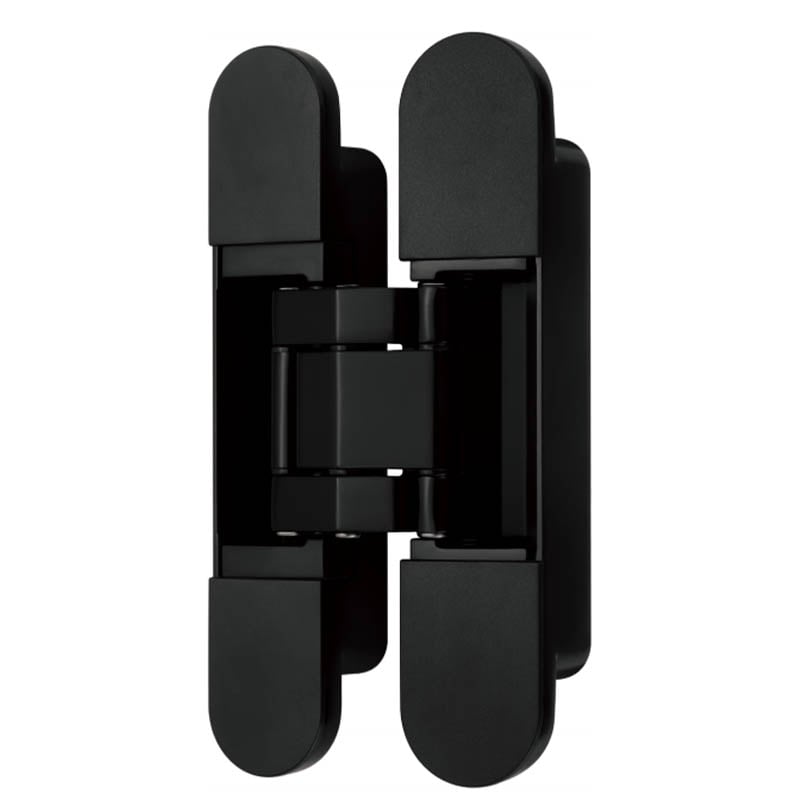
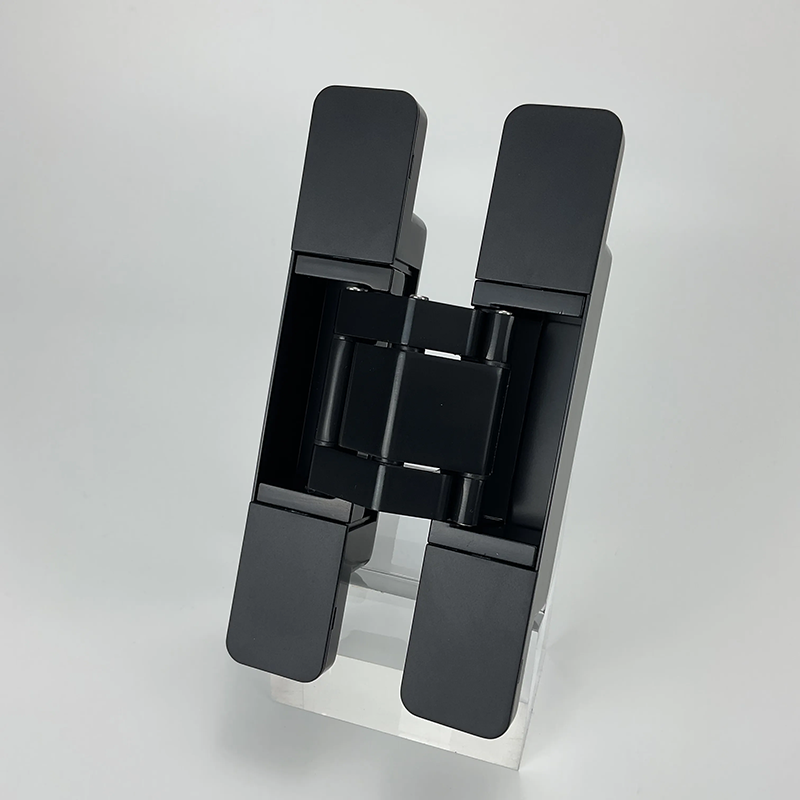
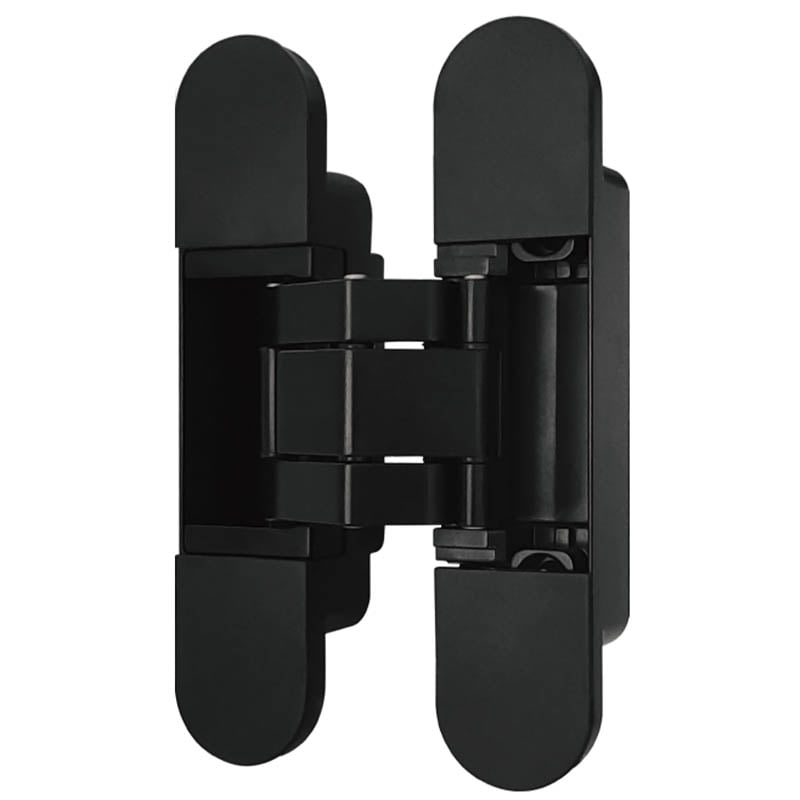
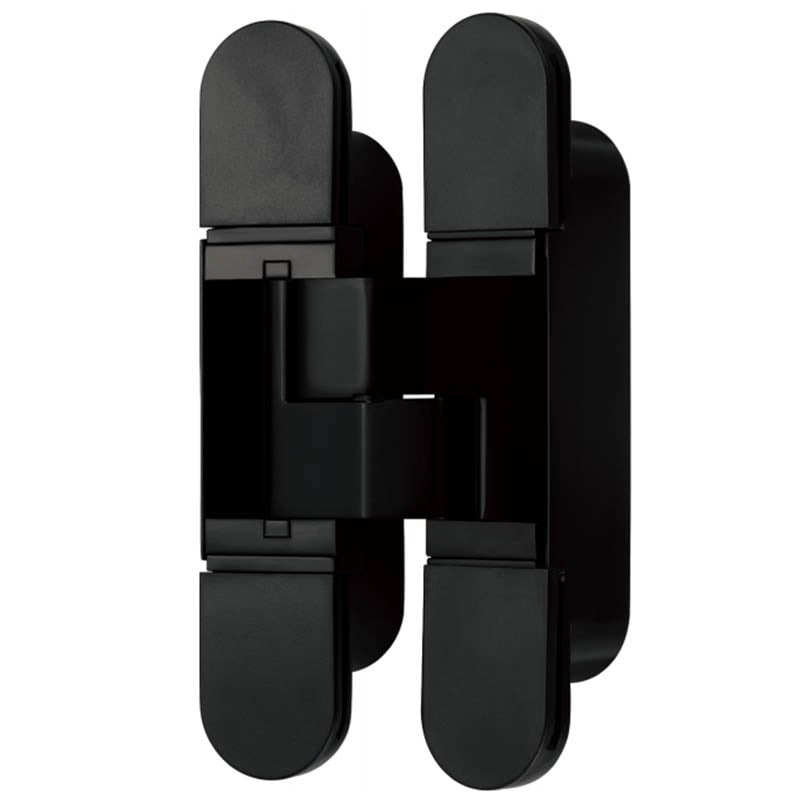
סיכום: מהרכיבים המיקרוסקופיים המבניים בטלפונים החכמים המודרניים ועד למכונות הכבדות הבלתי נראות של דלתות אדריכליות מוטבעות, סגסוגת האבץ מספקת יעילות הנדסית בלתי מתחרה. השילוב הייחודי שלה של יציבות זרימה מדויקת בהسبכה, עמידות גבוהה במעומסים, דämpning אקוסטי ויכולת גימור רב-תכליתיות הופך אותה לבחירה האידיאלית בחומר למתלים מוטבעים לדלתות עם התאמה תלת-ממד — מה שמבטיח שהיציבות המבנית תישאר נסתרת לעין הרואה. בטווח ADWORK, חומר הסגסוגת האבץ נוצר לשימוש במתלים מוטבעים לדלתות שמשקלן נע בין 40 ק"ג ל-100 ק"ג; לדוגמה, המוצרים הנמכרים ביותר הם GE35/GE30, GE35X, GE45, GE60, GE80, GE100 וכו'
חדשות חמות
-
באילו מקומות משמש חומר סגסוגת האבץ?
2026-05-31
-
ניתוח עלות ייצור של ציר מוסתר לדלת לשנת 2026
2026-05-30
-
איך מתקינים ציר סתר בדלת?
2026-05-24
-
למה אנו בוחרים סגסוגת אבץ מס' 5 לייצור ציריות מוסתרות?
2026-05-22
-
היצרנים העשורים המובילים של ציריות דלתות מוסתרות ב-2026
2026-05-23
-
מחברות מוסתרות: הפתרון הבלתי נראה לעיצוב ללא שבבים
2024-11-08
-
היתרונות של מחברות מוסתרות מאלווי בสถาטקטורה מודרנית
2024-11-04
-
שופכת מים בנהר הגדול, מתאמנת לשבור את הגלים----האספה להגדרת מטרות העסקיות לשנים 2024-2026 ותוכנית העסקים השנתית לשנת 2024 של קבוצת ג'יבנג התקיימה בהצלחה
2024-01-22
-
חדשות טובות: ג'יבנג פריסישן הפכה לאלוף ייצור בפרובינציית גואנדונג
2026-08-28
-
הרוח חזקה והפליגים מפליגים. זה הזמן הנכון לעבוד קשה.
2024-01-22